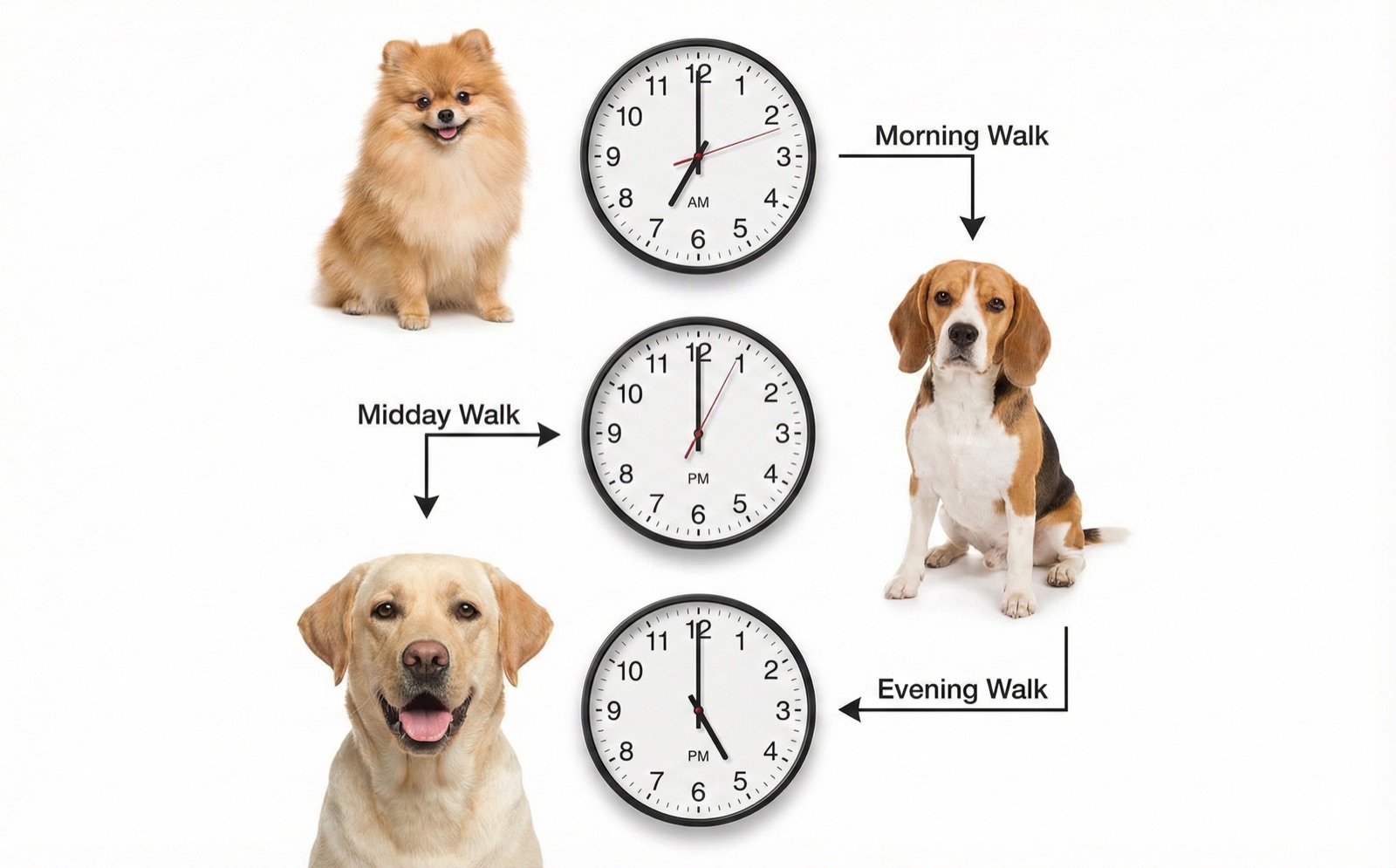
One of the most common questions pet parents ask is whether morning or evening walks are better for their dogs. The truth is, both have distinct advantages, and the best choice depends on your dog's breed, age, health, and your local climate. Here's a detailed comparison to help you decide.
The Case for Morning Walks
Morning walks set a positive tone for the rest of your dog's day. After a full night of rest, dogs wake up with stored energy that needs an outlet. A brisk morning walk helps them burn off that energy early, leading to calmer, more relaxed behavior throughout the day. Dogs that skip morning exercise are more likely to engage in destructive habits like chewing furniture or excessive barking.
From a health perspective, mornings tend to be cooler, an important factor in warm cities. Walking before the sun reaches peak intensity reduces the risk of heatstroke and protects your dog's paw pads from scorching pavement. Morning sunlight also helps regulate your dog's circadian rhythm, improving sleep quality and overall mood.
The Case for Evening Walks
Evening walks offer their own set of benefits. After spending the day indoors, especially if you're at work, your dog has likely accumulated restless energy and mental boredom. An evening walk provides much-needed physical release and sensory stimulation before bedtime.
Evenings are also typically quieter in urban areas. Fewer pedestrians and less traffic mean a more relaxed, enjoyable experience for dogs that are anxious or reactive. The cooler temperatures after sundown are gentler on brachycephalic breeds (flat-nosed dogs like Pugs and Bulldogs) that are prone to overheating.
Temperature and Seasonal Considerations
In tropical climates, temperature plays a decisive role in scheduling walks. During summer months, the midday sun can push pavement temperatures above 60 degrees Celsius, hot enough to burn paw pads within seconds. Morning walks before 8 AM and evening walks after 6 PM are generally the safest windows.
During monsoon season, mornings may offer drier conditions before afternoon showers set in, while evenings might bring waterlogged streets and reduced visibility. Adjust your schedule based on daily weather patterns and always check pavement conditions before heading out.
Breed and Age Factors
High-energy breeds like Labradors, Golden Retrievers, and Huskies often benefit from walks at both times of day. Older dogs and puppies, on the other hand, may do best with a single, well-timed walk that doesn't overstrain their joints or developing bodies.
Small breeds with shorter legs tire more quickly and may prefer a moderate evening stroll to a long morning trek. Giant breeds like Great Danes need careful exercise management to protect their joints, making shorter, cooler walks ideal regardless of timing.
Finding the Right Balance
The ideal approach for most dogs is a combination: a longer, more energetic walk in the morning and a shorter, calmer walk in the evening. This split schedule provides consistent exercise, mental stimulation at two points in the day, and helps establish a predictable routine, something dogs thrive on.
How Platypus Fits Your Schedule
At Platypus, we understand that every dog and every family has a unique rhythm. That's why we offer flexible scheduling, morning, evening, or both, tailored to your dog's breed, energy level, and preferences. Our Guardians adapt walk intensity and duration based on the weather and your dog's needs, so whether your pup is an early riser or an evening explorer, they always get the best possible outing.
The best time to walk your dog is the time that works consistently for both of you. What matters most is that the walks happen, rain or shine.
Ready to Give Your Dog the Best Care?
Book a trial walk with our certified Guardians today