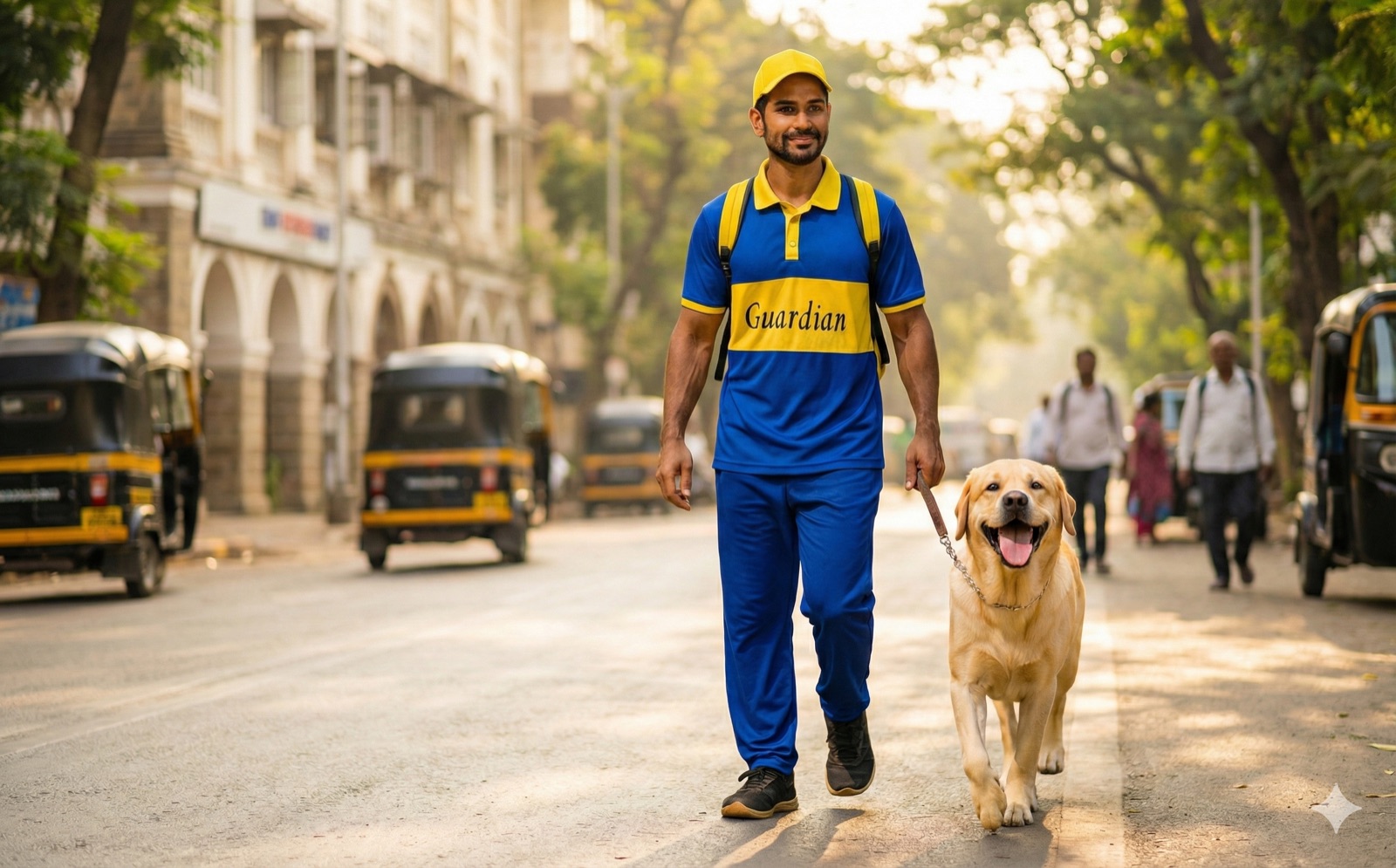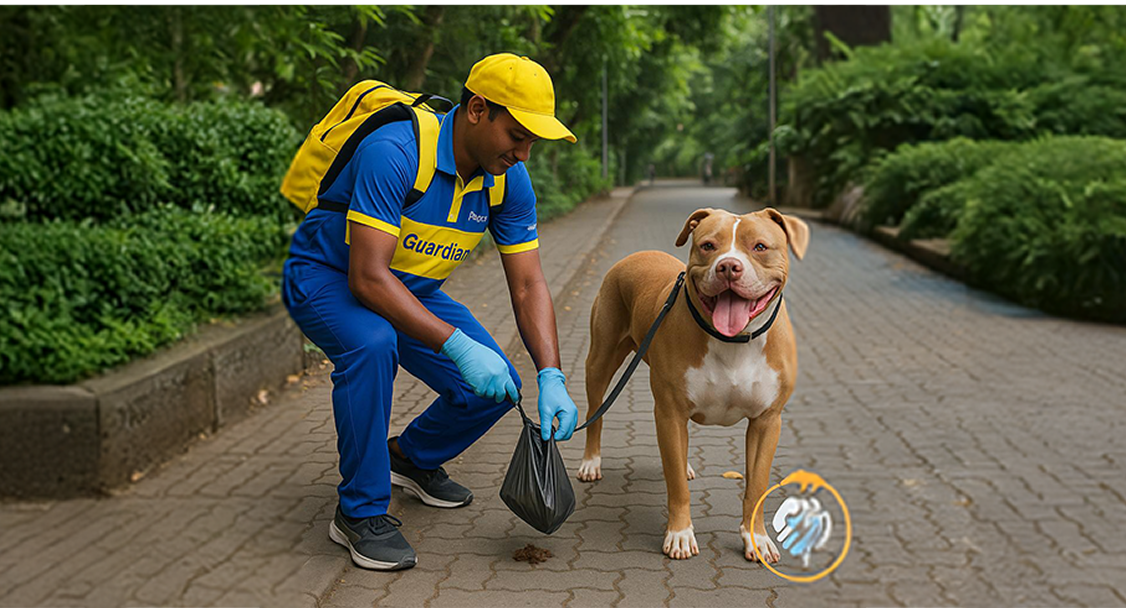
Hiring a professional dog walker is one of the best decisions you can make for your pet. But the first walk can feel nerve-wracking, for you and your dog. A little preparation ensures the experience is smooth, safe, and sets the tone for a lasting routine.
Before the First Walk
Start by gathering the essentials your walker will need. Have your dog's leash, harness, and waste bags ready and accessible. Prepare a short written note or message that includes your dog's name, age, breed, any medical conditions, medications, allergies, and behavioral quirks. Mention whether your dog is reactive to other dogs, fearful of loud noises, or prone to pulling. The more context you provide, the better equipped your walker will be to handle the outing confidently.
Introducing Your Dog to the Walker
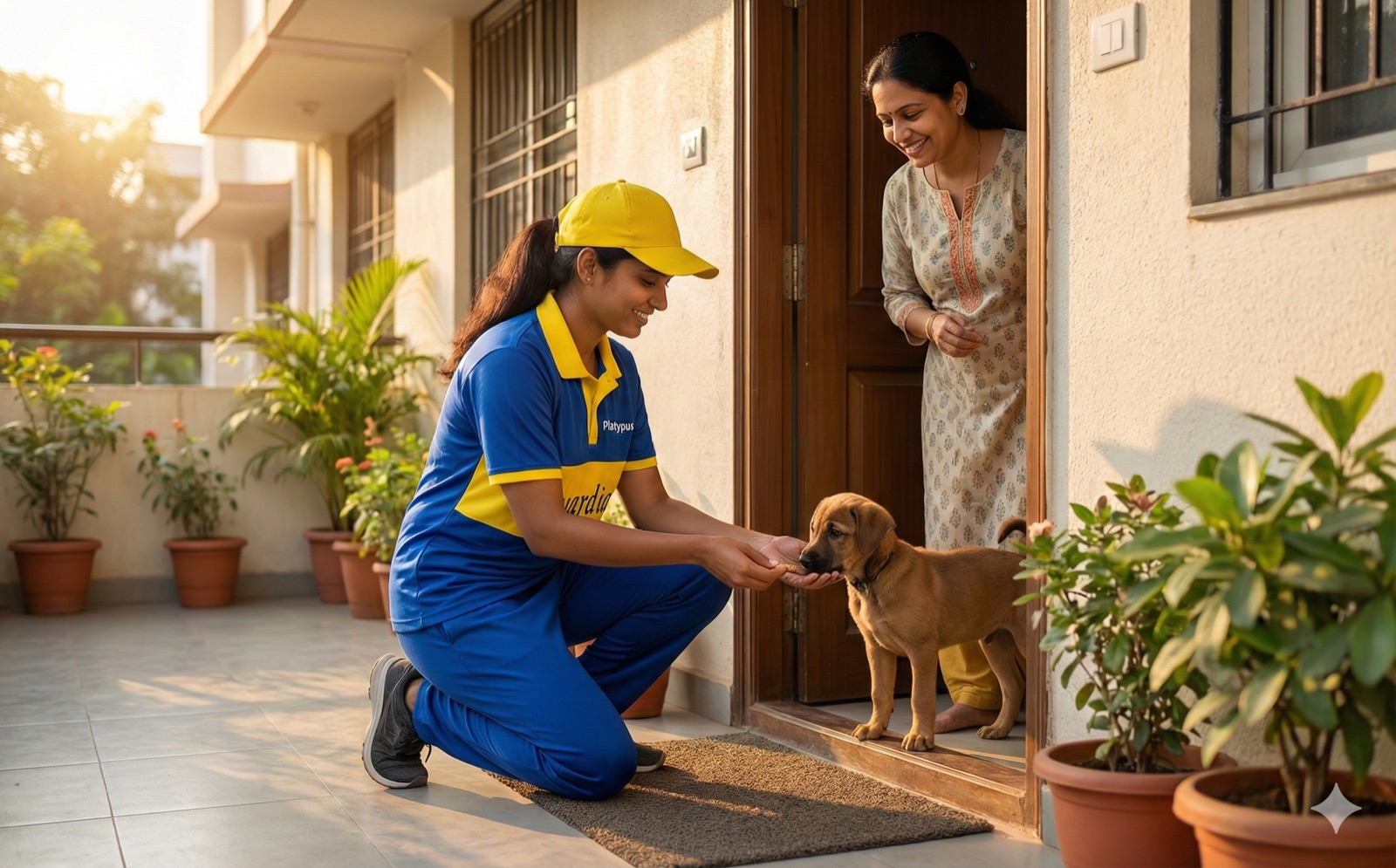
First impressions matter, especially for dogs. Schedule a brief meet-and-greet before the actual walk. Let your dog approach the walker on their own terms, forcing interaction can create negative associations. A good walker will crouch down, offer their hand for sniffing, and use a calm, friendly tone. Treats can help build a positive connection. If your dog is shy, allow two or three short meetings before the first walk. Rushing this step often leads to anxiety that takes much longer to undo.
What to Share With Your Walker
Beyond medical and behavioral notes, share your dog's routine. When do they usually eat? What time do they typically go out? Are there specific routes they enjoy or streets they avoid? Does your dog have a reliable recall, or should they stay leashed at all times? Small details, like a favorite sniffing spot at the park or a tendency to chase pigeons, help the walker personalize the experience and keep your dog safe.
What to Expect From a Trial Walk
Most professional services offer a trial walk, and you should take advantage of it. A trial walk is shorter than a regular session and focused on observation. The walker assesses your dog's comfort level, leash manners, and energy. You should expect an honest update afterward, how your dog responded, any concerns, and suggestions for future walks. A good walker will never sugarcoat issues, because transparency is what keeps your dog safe.
Handling Separation Anxiety
Some dogs struggle when a new person takes them away from home without their parent present. If your dog has separation anxiety, start with the walker visiting your home a few times before any walk. Gradually increase the duration of outings. Leave a worn piece of your clothing with the walker so your dog has a familiar scent nearby. Most dogs adjust within two to four sessions, but patience is essential.
How Platypus Makes the First Walk Easy
At Platypus, our onboarding process is designed to eliminate first-walk stress. Every new dog goes through a structured introduction with their assigned Guardian, including a home visit and a trial walk with detailed feedback. We collect all the information we need upfront through our app, so nothing is left to guesswork. Your dog's comfort and safety are the priority from the very first interaction, because a great walking relationship starts with trust.
Ready to Give Your Dog the Best Care?
Book a trial walk with our certified Guardians today