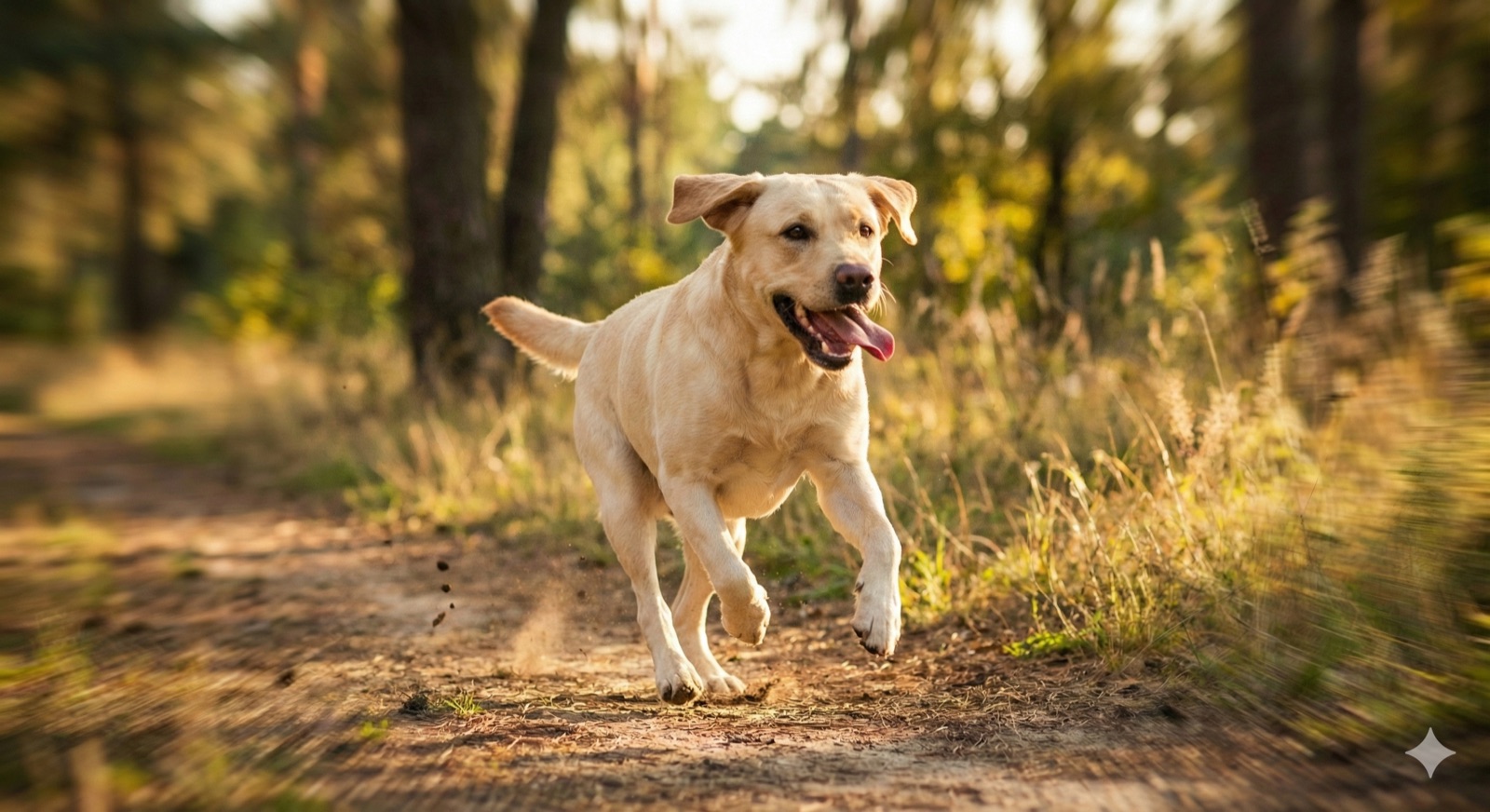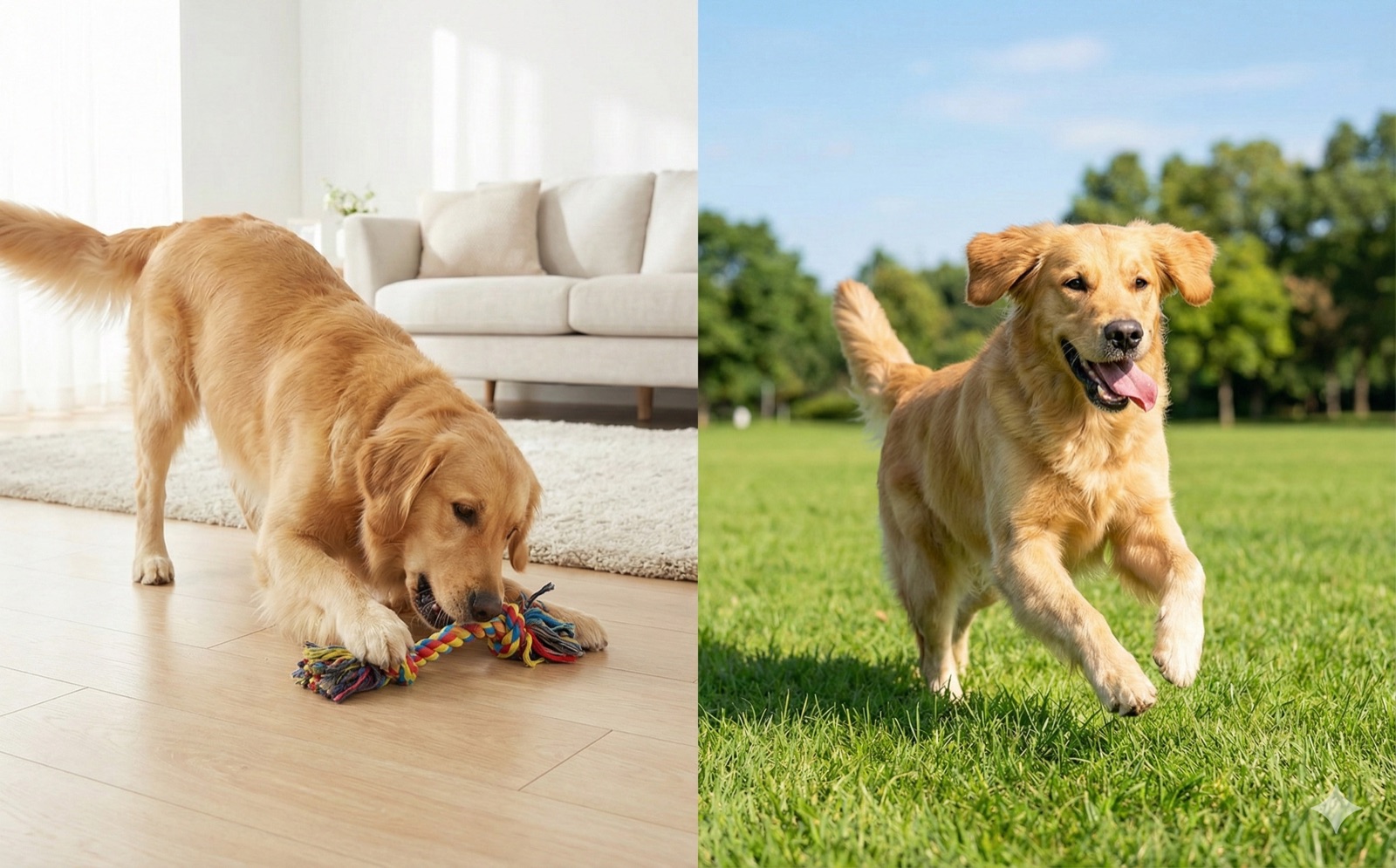
Living in an apartment does not mean your dog has to miss out on exercise. But relying only on indoor play has its limits. Understanding the strengths of both indoor and outdoor exercise helps you build a routine that meets your dog's physical and mental needs.
The Case for Indoor Exercise
Indoor exercise is convenient, weather-proof, and ideal for quick energy burns. Games like tug-of-war, fetch down a hallway, hide-and-seek with treats, and puzzle feeders engage your dog's body and mind without stepping outside. For puppies still building their vaccination schedule, or senior dogs with mobility issues, indoor activities provide a safe and controlled environment. Training sessions, practicing commands, learning new tricks, are also excellent forms of indoor mental exercise that tire a dog out surprisingly fast.
Why Outdoor Exercise Is Irreplaceable
While indoor play covers the basics, outdoor time delivers something no living room can replicate: sensory stimulation. Outside, there are smells, sounds, textures, and sights that activate your dog's brain in ways indoor environments cannot. Every fire hydrant, patch of grass, and passing breeze carries information that engages your dog's most powerful sense, their nose. This sensory engagement is critical for cognitive health, reducing boredom, and preventing anxiety-driven behaviors like excessive barking or destructive chewing.
Outdoor walks also provide opportunities for socialization. Encountering other dogs, people, cyclists, and unfamiliar sounds builds your dog's confidence and adaptability. Dogs that are exclusively indoors often become reactive or fearful when they finally encounter the outside world.
Tips for Apartment Living
If you live in an apartment, the key is creating variety. Rotate indoor toys weekly so they feel fresh. Use snuffle mats and food puzzles to mimic the foraging experience of outdoor exploration. Dedicate a small area for short agility exercises, a low jump made from a broomstick across two stacks of books works surprisingly well. But most importantly, prioritize at least one proper outdoor walk every day. Even a 20-minute walk around your neighborhood gives your dog the environmental enrichment they crave.
Combining Both for Maximum Benefit
The most balanced approach is a combination. Use indoor exercise to supplement outdoor walks, not replace them. On days when the weather is harsh or your schedule is packed, indoor play keeps your dog active. But make outdoor walks the foundation of their routine. A dog that gets both is calmer, healthier, and more well-adjusted than one limited to just one form of exercise.
How Platypus Walks Fill the Gap
Many pet parents in busy cities struggle to give their dogs enough outdoor time. That is exactly where Platypus steps in. Our Guardians provide structured, stimulating outdoor walks that deliver the sensory enrichment and physical exercise your dog needs, even when your schedule does not cooperate. Combined with your indoor play sessions at home, Platypus walks help create a well-rounded fitness routine that keeps your dog thriving every day.
Ready to Give Your Dog the Best Care?
Book a trial walk with our certified Guardians today