Most behavioural problems in dogs aren't actually behavioural problems, they're exercise problems. A dog that doesn't get enough physical and mental stimulation will find ways to burn that energy, and you probably won't like most of them. The frustrating part is that many pet parents don't connect the dots. They see a "bad" dog when what they actually have is a bored one.
Here are eight signs that your dog needs more exercise than they're currently getting, and practical steps to address each one.
1. Destructive Chewing
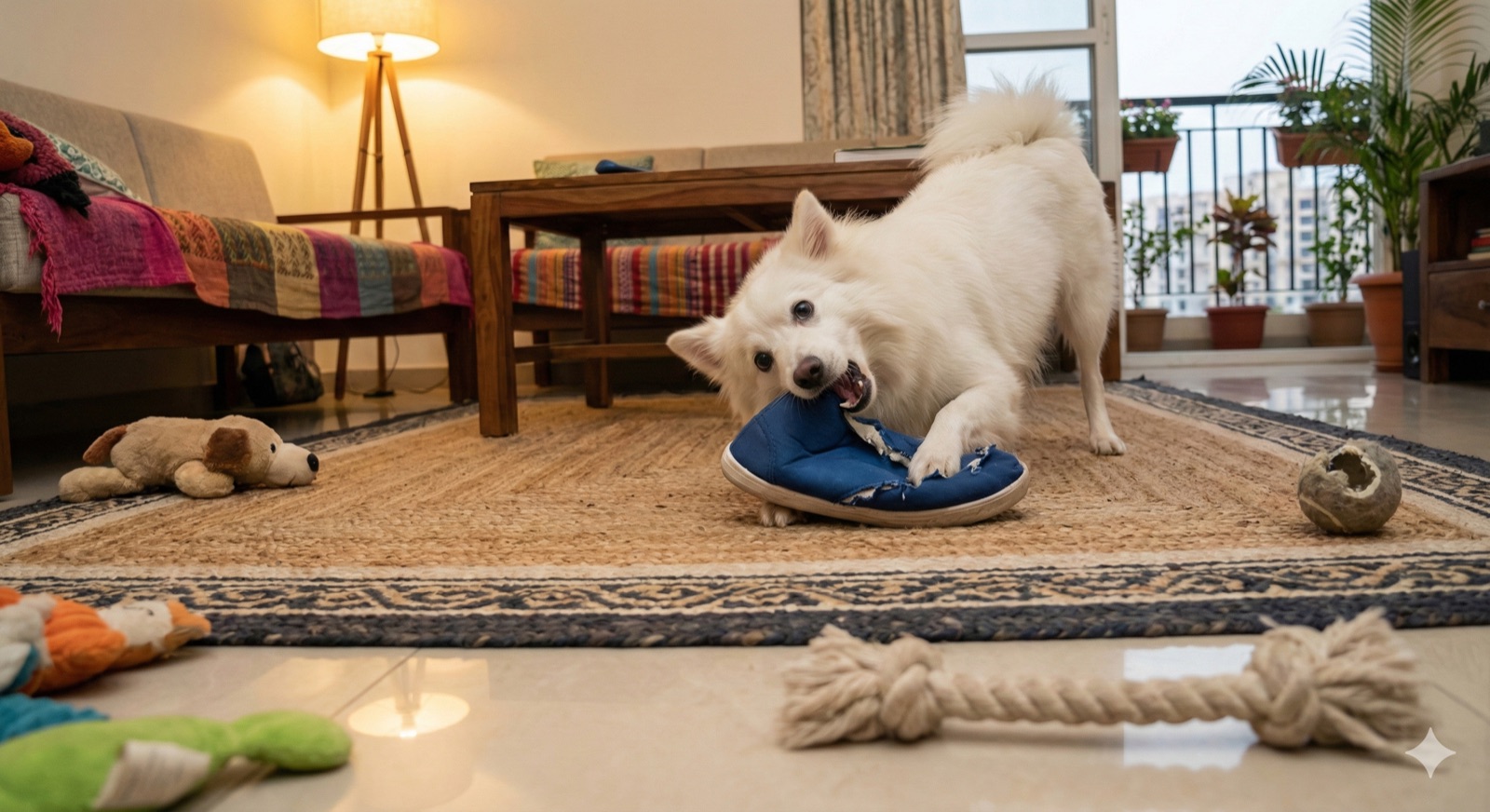
If your dog is shredding cushions, gnawing furniture legs, or destroying shoes, it's almost never spite. Chewing is a natural stress-relief mechanism for dogs. When a dog is under-exercised, pent-up energy gets redirected into destructive chewing. Puppies chew during teething, but adult dogs who suddenly start destroying things are telling you something clearly, they need an outlet.
The fix is straightforward. Increase their daily walks by 15-20 minutes and introduce chew toys that require problem-solving, like treat-dispensing puzzles. The chewing will drop significantly within a week.
2. Excessive Barking or Whining
Every dog barks. But if your dog barks at nothing, whines constantly, or howls when left alone, they're likely understimulated. Dogs are social animals built for activity. When they don't get enough, they vocalize their frustration. In apartment buildings across Mumbai, this is one of the top complaints neighbours have, and the solution is rarely a bark collar.
A tired dog is a quiet dog. Two structured walks per day with some sniff time built in can reduce excessive vocalization dramatically. The walk doesn't just tire their body, the new smells and stimuli tire their brain.
3. Weight Gain
This one's obvious but often ignored. If your dog is gaining weight despite eating the same amount, they're not burning enough calories. Overweight dogs face higher risks of joint problems, diabetes, heart disease, and a shorter lifespan. Indian breeds like the Indian Spitz and mixed breeds tend to gain weight quickly when under-exercised.
Consult your vet about ideal weight for your dog's breed and age, then build a walking schedule that creates a caloric deficit. Even an extra 20-minute brisk walk daily makes a measurable difference within a month.
4. Restlessness and Pacing
A dog that can't settle down, constantly pacing the apartment, switching spots, getting up and lying down repeatedly, has energy that needs to go somewhere. This is especially common in high-energy breeds like Labradors, Beagles, and German Shepherds that are kept in apartments without adequate exercise.
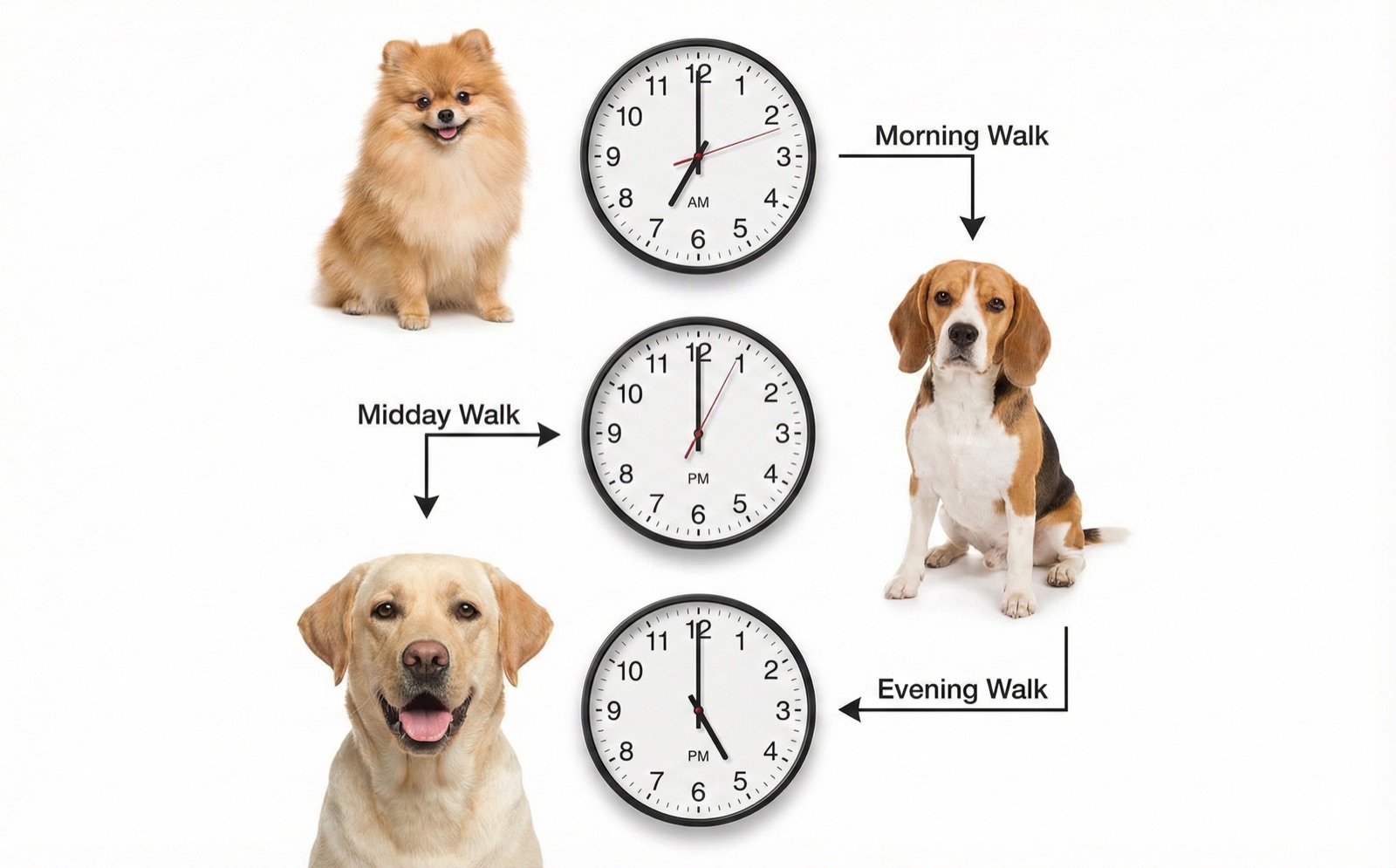
Morning walks are critical for these dogs. A good 30-45 minute walk before you leave for work sets the tone for a calmer day. If mornings are tight, this is exactly where a professional dog walking service becomes invaluable.
5. Rough Play or Nipping
When dogs play too rough, body-slamming, nipping at hands, jumping on guests, they're often just overflowing with energy they haven't had a chance to release properly. It's not aggression in most cases. It's a dog who hasn't run, walked, or played enough that day trying to initiate the only activity available to them.
Structured exercise before social situations makes a massive difference. Walk your dog before guests arrive. Walk them before a play date. A dog who has already burned energy plays more gently and reads social cues better.
6. Attention-Seeking Behaviour
Your dog drops a toy in your lap every five minutes. They paw at you while you're working. They bark at you, then run to the door. These aren't signs of a needy dog, they're signs of a smart dog who knows exactly what they need and is asking for it directly. Dogs communicate clearly once you learn to listen.
The solution is simple: honour the request. Not every time, but consistently enough that your dog knows their needs will be met. Regular scheduled walks remove the urgency from these requests.
7. Digging
Dogs dig for several reasons, to cool down, to hide things, or to escape. But the most common reason, especially in dogs who dig indoors at carpets or bedding, is frustrated energy. It's a displacement behaviour. They need to do something, anything, and digging is instinctively satisfying.
Outdoor exercise with varied terrain, grass, mud paths, different surfaces, satisfies the digging instinct naturally. Dogs who walk on varied terrain daily almost never dig destructively at home.
8. Hyperactivity After Being Alone
If your dog goes absolutely berserk when you come home, jumping, spinning, running laps, that explosion of energy has been building all day. Some excitement at your return is normal and healthy. But a dog that takes 20-30 minutes to calm down after you walk through the door has been storing energy with no outlet for hours.
A midday walk breaks the day up and prevents that energy bomb. This is the most common reason pet parents in Mumbai hire professional walkers, not just for the exercise, but for the midday energy release that transforms their dog's evening behaviour.
The Bottom Line
Dogs aren't designed to spend 8-10 hours inactive in an apartment. Their bodies and minds need stimulation, variety, and movement. If you're seeing any combination of these signs, the answer is almost always more exercise, not more discipline.
At Platypus, our certified Guardians provide structured walks with GPS tracking, tailored to your dog's breed, age, and energy level. Whether it's a morning walk, midday break, or evening session, consistent professional walks address the root cause of most behavioural issues. Your dog isn't bad. They're just bored.
Ready to Give Your Dog the Best Care?
Book a trial walk with our certified Guardians today