Every walk is a conversation. While your dog cannot speak in words, they are constantly telling you how they feel through their body. Understanding these signals is one of the most valuable skills any dog parent or walker can develop. It keeps your dog safe, reduces stress, and strengthens the bond you share.
What the Tail Is Telling You
A wagging tail does not always mean a happy dog. The position and speed of the wag carry distinct meanings. A tail held high and wagging broadly usually signals excitement and confidence. A low, slow wag can indicate uncertainty or submission. A stiff, rapid wag with the tail held upright often means your dog is on alert and may be feeling tense. If the tail is tucked between the legs, your dog is frightened or deeply uncomfortable. Paying attention to these distinctions during walks helps you respond before a situation escalates.
Reading the Ears
Ears are another powerful communicator. Forward-facing ears suggest curiosity or focus, your dog has spotted something interesting ahead. Ears pinned flat against the head usually signal fear or anxiety. If one ear rotates to the side while the other stays forward, your dog is processing sounds from multiple directions, often a sign of mild uncertainty. Breeds with floppy ears can be harder to read, but you can still notice subtle shifts in ear base position.
Pulling vs. Lagging Behind
A dog that pulls on the leash is not always misbehaving. Pulling can indicate excitement, a strong scent trail, or eagerness to reach a familiar spot. However, if the pulling is frantic and accompanied by panting or whining, it may signal overstimulation or anxiety. On the other hand, a dog that lags behind or refuses to move forward could be tired, in pain, or feeling fearful about something in the environment. Sudden stops deserve your attention, they are rarely random.
Recognizing Stress Signals
Stress manifests in ways that are easy to overlook. Lip licking when no food is present, yawning repeatedly, shaking off as if wet on a dry day, and avoiding eye contact are all signs of discomfort. Whale eye, when you can see the whites of your dog's eyes, often means they feel cornered or threatened. Excessive sniffing at the ground can also be a displacement behavior, where your dog is trying to self-soothe during a stressful moment.
Signs of a Happy, Relaxed Walk
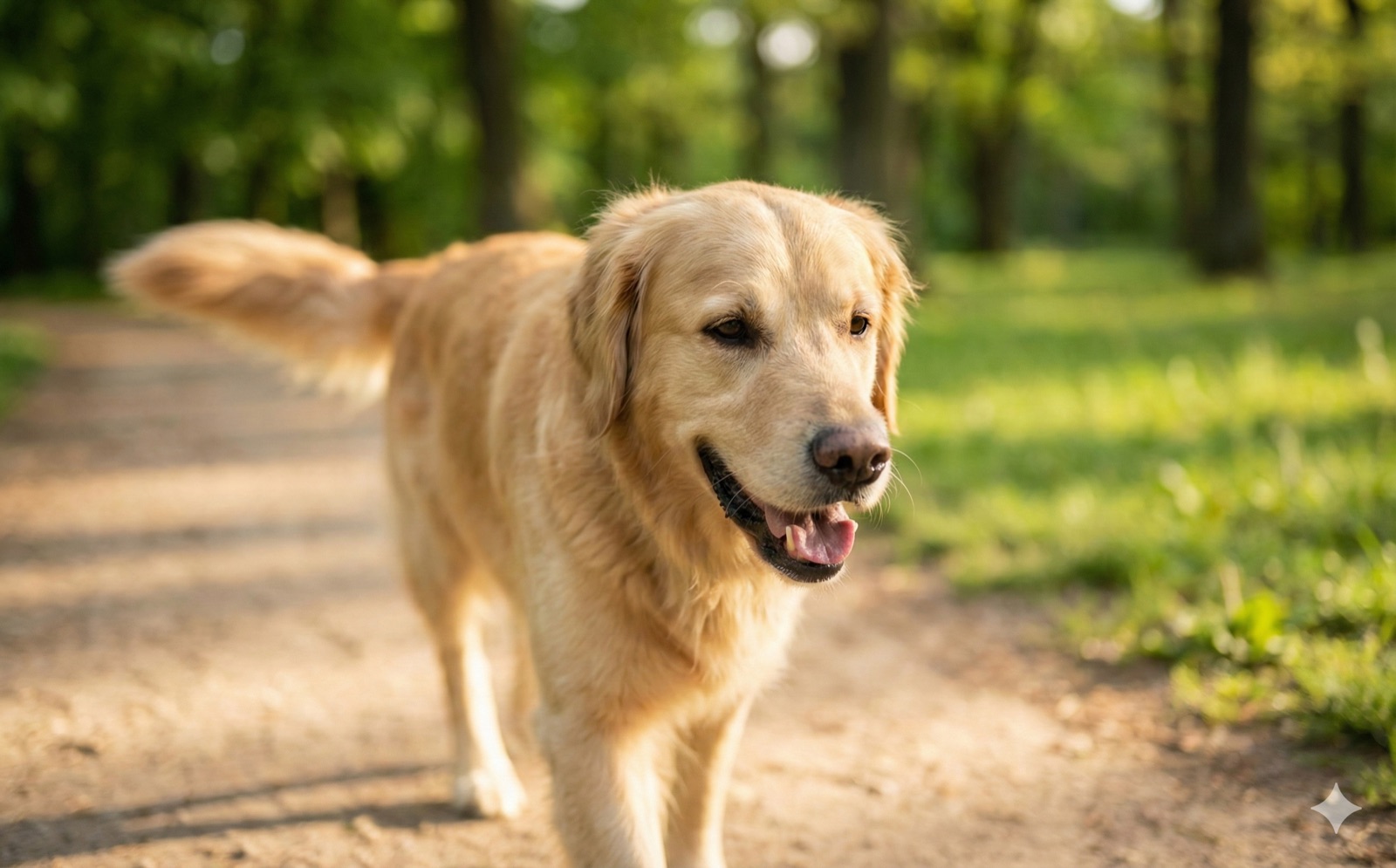
A content dog moves with a loose, easy gait. Their mouth is slightly open in a relaxed pant, their tail swings gently, and they check in with you periodically with soft eye contact. They sniff with curiosity rather than urgency, explore their surroundings without fixation, and respond to gentle leash guidance without resistance. These are the walks where both you and your dog return home feeling fulfilled.
How Platypus Guardians Read the Walk
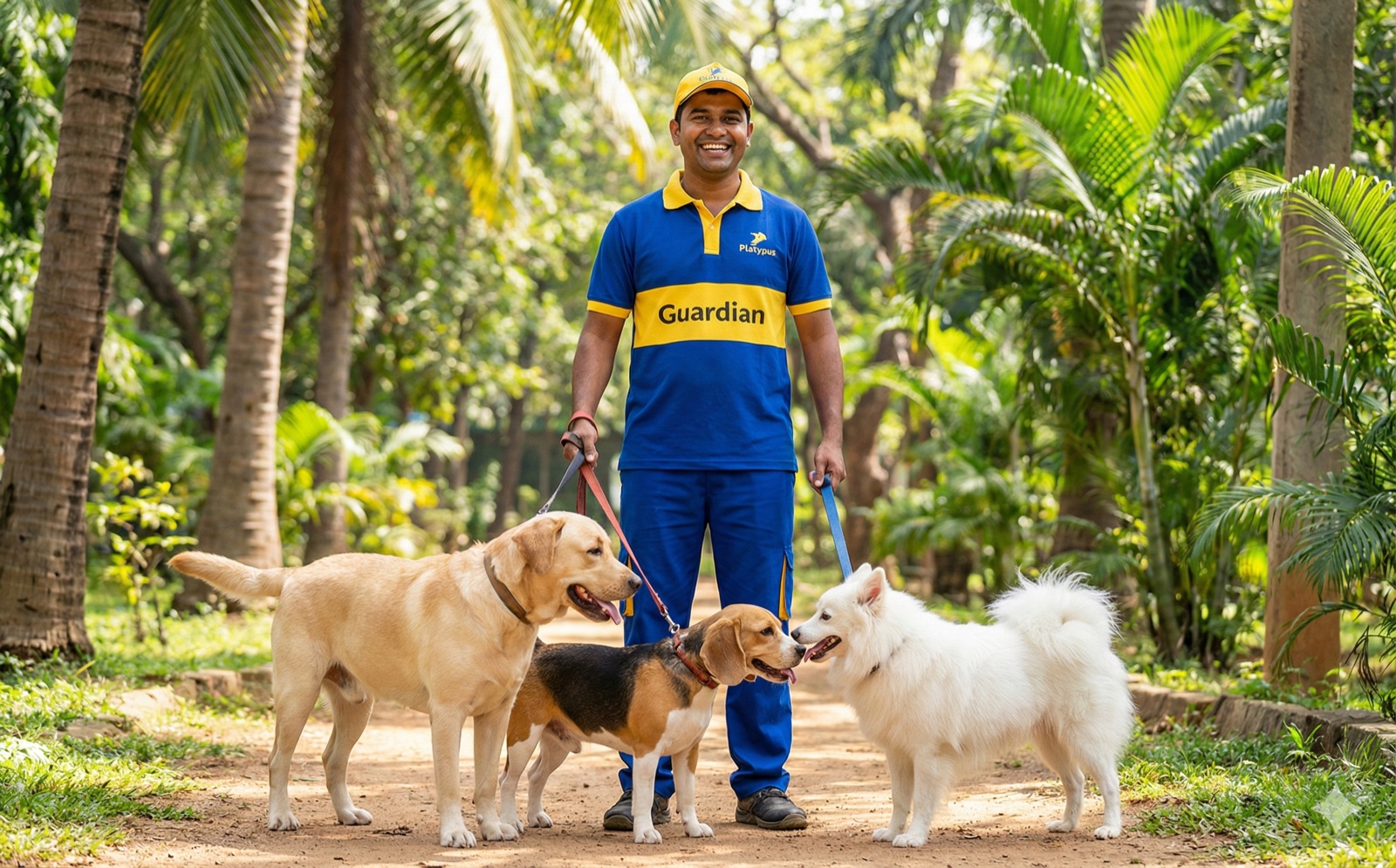
At Platypus, every Guardian undergoes training in canine body language before they ever take a dog out. They learn to spot stress signals early, adjust the pace and route based on the dog's comfort, and avoid situations that could overwhelm a nervous pup. This attentiveness is what separates a professional walk from a simple stroll around the block. When your dog's body language is understood and respected, every walk becomes a positive experience that builds trust and well-being.
Ready to Give Your Dog the Best Care?
Book a trial walk with our certified Guardians today