Getting a dog is one of the most rewarding decisions you'll make, and also one of the most underestimated in terms of preparation required. The Instagram version (a cute puppy curled up on a couch) leaves out the 3 AM bathroom runs, the chewed-up chargers, the vet bills, and the fundamental lifestyle adjustments that come with responsible dog ownership. None of this should scare you off. But going in prepared makes the difference between a stressful first few months and a smooth transition for both you and your dog.
Here's everything you actually need to know, based on what we see working with hundreds of dog parents across Mumbai.
Before You Bring Them Home
Puppy-proof your space. Get on your hands and knees and look at your apartment from your dog's eye level. Electrical cords, shoes, small objects they could swallow, cleaning products under the sink, plants that are toxic to dogs (lilies, aloe vera, money plants). All of it needs to be secured or moved. This isn't optional. Puppies explore the world with their mouths, and they're fast.
Set up their space. Your dog needs a defined area that's theirs: a crate or a corner with a bed, water bowl, and a couple of toys. This becomes their safe space. Don't give a new dog the run of the entire apartment on day one. It's overwhelming. Start with one room and gradually expand access as they settle in.
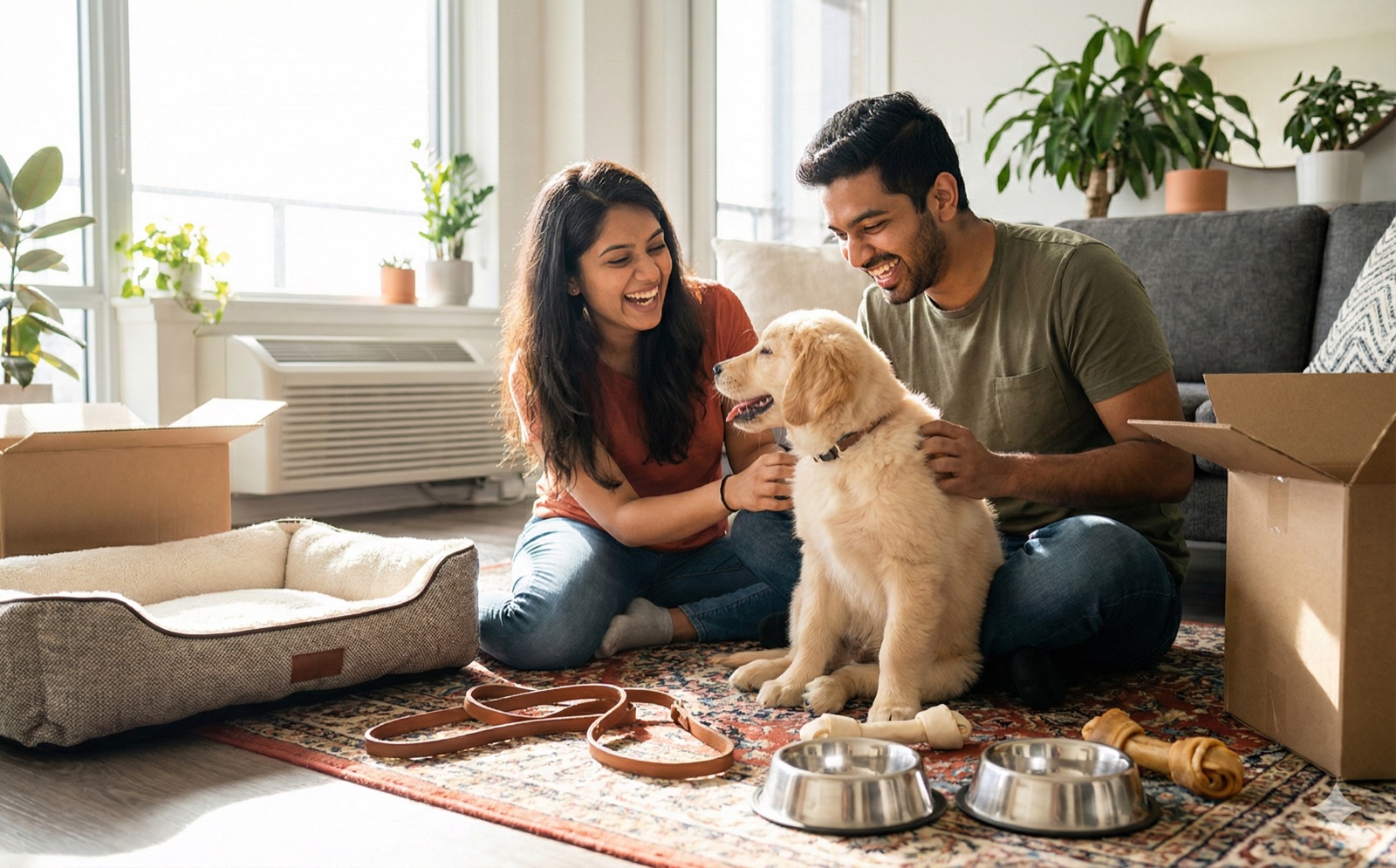
Stock up on essentials. Before your dog arrives, you should have: a collar with an ID tag (include your phone number), a leash (6-foot standard, not retractable for now), food and water bowls (stainless steel, easy to clean), age-appropriate dog food (ask your vet or breeder for the brand they've been eating), poop bags, a crate or bed, basic toys (one chew toy, one interactive toy), and enzymatic cleaner for accidents.
The First 48 Hours
The first two days set the tone. Your new dog (whether a puppy from a breeder, an adult from a rescue, or anything in between) is dealing with a massive change. New smells, new people, new rules, new environment. Some dogs take it in stride. Others shut down, hide, or have accidents everywhere.
Keep things calm. Resist the urge to invite everyone over to meet the new dog. Give them 48 hours to decompress with just your immediate household. Let them approach you rather than overwhelming them with attention. Place treats near you so they associate your presence with good things.
Establish a routine immediately. Dogs thrive on predictability. From day one, set consistent times for meals, walks, play, and sleep. Even a rough schedule (morning walk, breakfast, midday rest, evening walk, dinner, bedtime) gives your dog a framework that reduces anxiety significantly.
Expect accidents. Even housetrained adult dogs may have accidents in a new environment. Don't punish. Clean it up with enzymatic cleaner (regular cleaners don't fully remove the scent) and take them outside more frequently. Punishment for accidents creates fear, not understanding.
Finding the Right Vet
Register with a veterinarian before your dog arrives, not after something goes wrong. Ask for recommendations from other dog parents in your area. In Mumbai, every neighbourhood has multiple options. Look for one that's reasonably close (you don't want a 45-minute drive during an emergency), has good reviews, and where the vet takes time to explain things.
First vet visit. Schedule this within the first week. Bring any vaccination records or health certificates you received. The vet will do a general health check, discuss vaccination schedules, deworming, tick and flea prevention, and spaying/neutering. This visit also establishes a baseline for your dog's health.
Vaccination schedule. Puppies need a series of vaccinations starting at 6-8 weeks. The core vaccines in India are DHPP (distemper, hepatitis, parvovirus, parainfluenza) and rabies. Your vet will give you a schedule. Don't skip or delay vaccinations. Diseases like parvovirus are common and often fatal in unvaccinated puppies.
Nutrition Basics
Dog nutrition doesn't need to be complicated, but getting it right matters enormously.
Puppies (under 1 year): Feed puppy-specific food. It has higher protein and fat content for growth. Feed 3-4 times a day until 6 months, then transition to twice daily. Follow portion guidelines on the food packaging as a starting point, and adjust based on your vet's recommendation.
Adults (1-7 years): Twice daily feeding with adult formula. The amount depends on size, breed, and activity level. A 15-kilo active Beagle needs different portions than a 15-kilo sedentary Lhasa Apso.
What to avoid: Chocolate, grapes, raisins, onions, garlic, xylitol (found in sugar-free products), cooked bones (they splinter), and excessive salt. These are genuinely toxic to dogs, not just "not recommended."
Whether you choose commercial kibble, wet food, or home-cooked meals, consistency matters more than the specific approach. Frequent diet changes cause digestive issues. Pick something, confirm with your vet, and stick with it.
Exercise and Walks
This is where most first-time pet parents underestimate the commitment. Dogs need daily exercise, not just a bathroom break, but actual walks with mental stimulation.
Puppies need shorter, more frequent outings: 5 minutes per month of age, twice a day, is a good rule. A 3-month-old puppy should get about 15 minutes of walking, twice daily. Over-exercising puppies can damage developing joints.
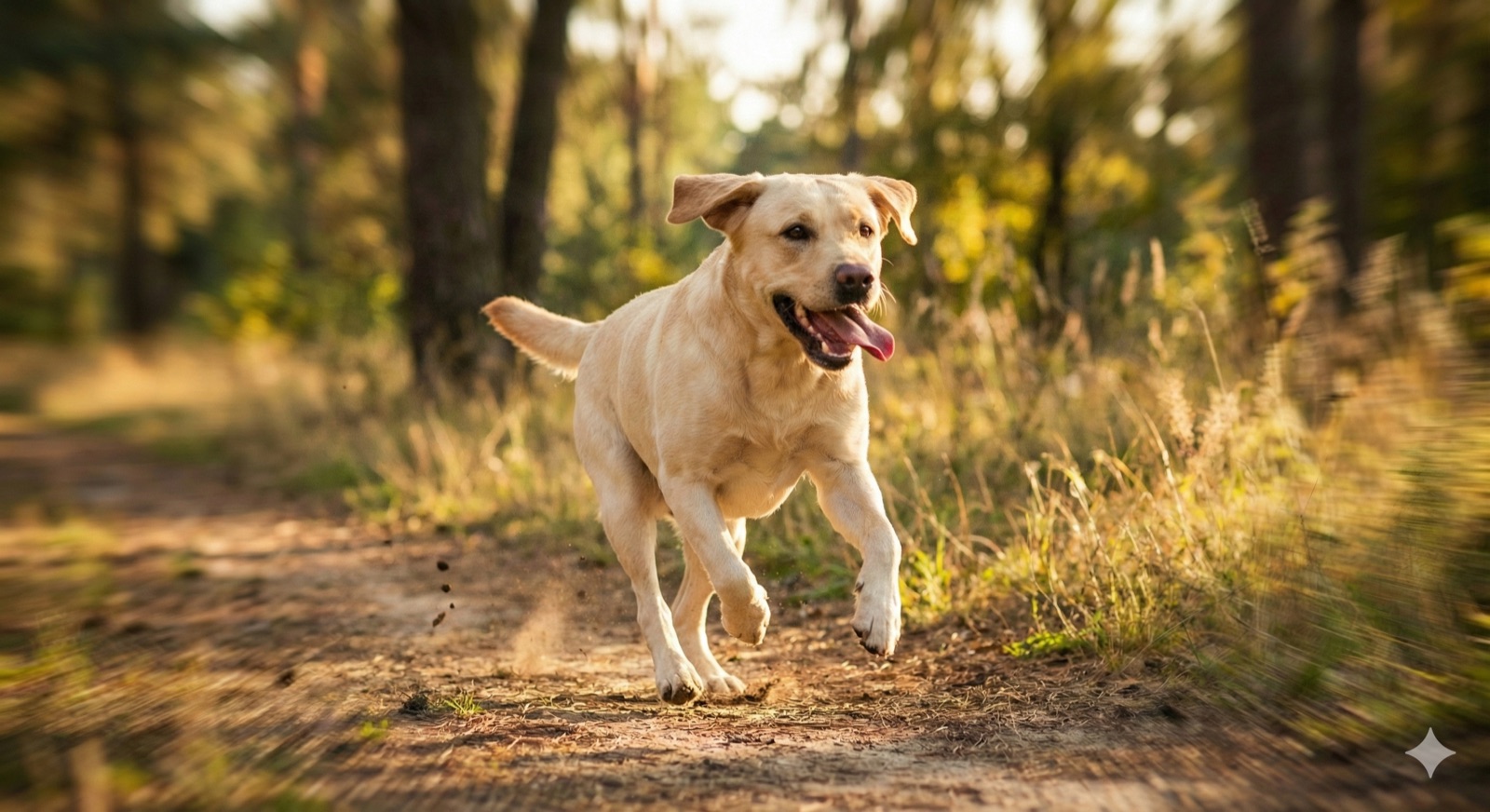
Adult dogs need 30-60 minutes of walking daily, depending on breed and energy level. High-energy breeds like Labradors, Beagles, and German Shepherds need closer to 60 minutes. Lower-energy breeds like Shih Tzus and Bulldogs may be content with 30 minutes.
Walks aren't just physical exercise. They're mental stimulation: new smells, new sights, social interactions. A dog that only gets bathroom breaks in the building compound is not getting what they need.
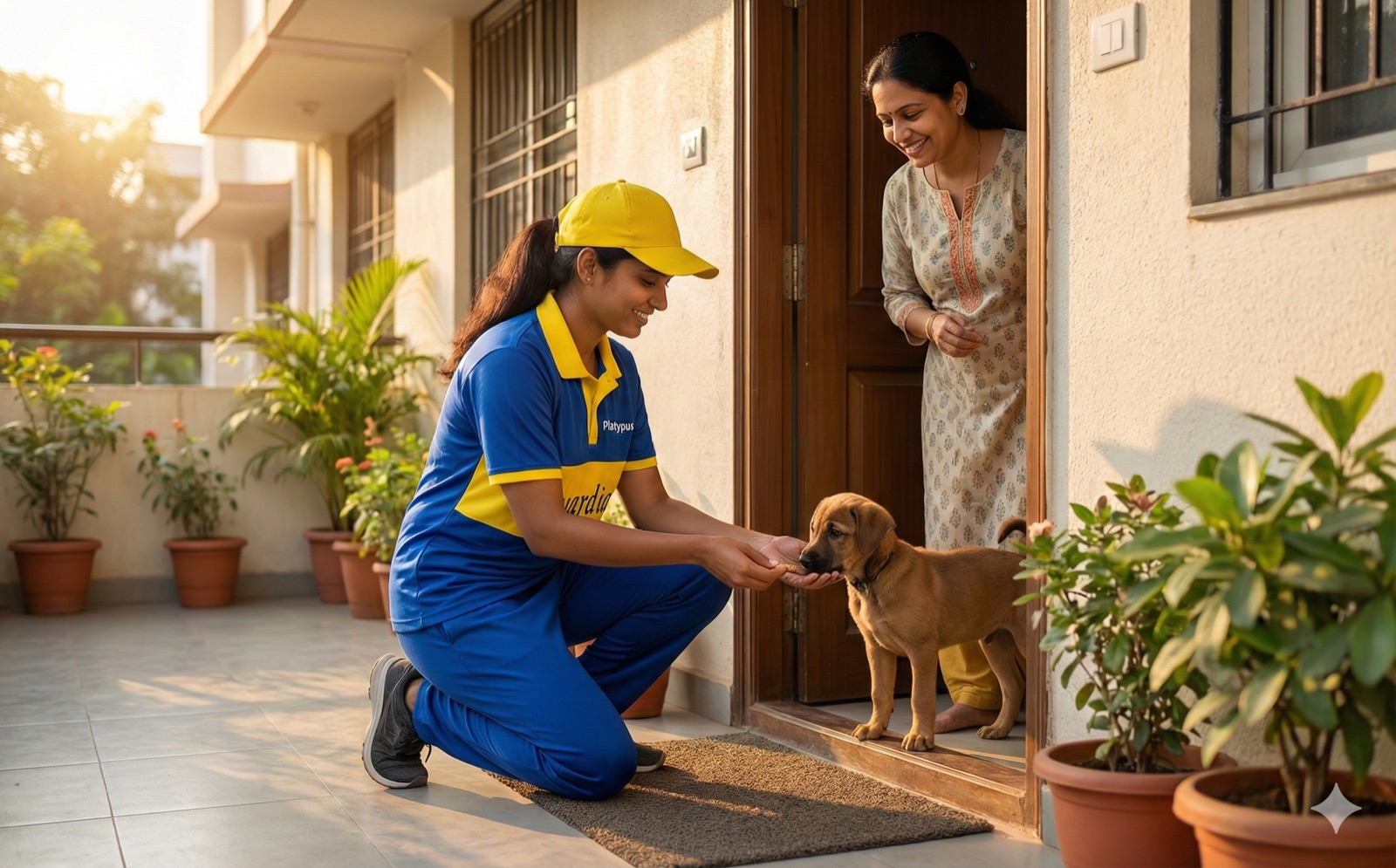
If your schedule makes consistent daily walks difficult, a professional dog walking service fills that gap. This is exactly why we built Platypus, because we saw hundreds of well-intentioned pet parents in Mumbai who couldn't be there for every walk their dog needed.
Training Fundamentals
Start training on day one. You don't need a professional trainer for the basics, though one helps if you're struggling.
The essentials: Sit, stay, come, leave it, and loose-leash walking. These aren't party tricks. They're safety commands. A dog that responds to "come" reliably can be saved from dangerous situations. A dog that understands "leave it" won't eat something harmful off the street.
Use positive reinforcement. Reward the behaviour you want with treats, praise, or play. Don't punish unwanted behaviour, redirect it. Punishment-based training creates fearful, anxious dogs. Reward-based training creates confident, responsive dogs. The research on this is unambiguous.
Be consistent. If "no jumping on the sofa" is a rule, it's always a rule, not just when guests are over. If "sit" means sit, everyone in the household uses the same word and the same expectation. Inconsistency is the number one reason training fails.
Socialisation. Between 3-14 weeks is the critical socialisation window for puppies. Expose them to different people, dogs, sounds, surfaces, and environments in a positive, controlled way. A well-socialised puppy becomes a confident, well-adjusted adult dog. A puppy that misses this window often develops fear-based reactivity.
Common First-Time Mistakes
Skipping crate training. A crate isn't a punishment. It's a safe den your dog can retreat to. Dogs that are crate-trained handle travel, vet visits, and alone time significantly better.
Humanising your dog. Loving your dog doesn't mean treating them like a human infant. Dogs need structure, boundaries, and leadership. Letting them do whatever they want because "they're family" creates confused, anxious dogs that don't understand their place in the household.
Waiting too long to start walks. Many first-time pet parents keep puppies indoors until vaccinations are complete. While you should avoid high-dog-traffic areas before full vaccination, you can carry your puppy outside for environmental exposure. The socialisation window doesn't wait for the vaccination schedule to finish.
Not budgeting for ongoing costs. The purchase price is just the beginning. Monthly food, annual vaccinations, unexpected vet visits, grooming, toys, and potentially dog walking or boarding services. Budget for ₹3,000 to ₹8,000 per month depending on your dog's size and needs.
Building the Bond
The bond between a dog and their person isn't built through grand gestures. It's built through daily consistency: the walk at the same time every morning, the calm reassurance during a thunderstorm, the patience when they're learning something new, the quiet time together on the couch at the end of the day.
Dogs read your energy better than they understand your words. Stay calm, be patient, be consistent, and show up for them every day. That's it. That's the whole secret.
The first few weeks will be hard. You'll question whether you were ready for this. You'll be sleep-deprived and frustrated. And then one evening your dog will curl up next to you, let out a contented sigh, and you'll understand exactly why people say their dog changed their life.
Welcome to dog parenting. It's worth every bit of it.
Ready to Give Your Dog the Best Care?
Book a trial walk with our certified Guardians today